Swiss Platforms Weave Accountability Tools Directly Into Mobile Jackpot Slot Reward Systems
Avery Meier · Sep 19, 2026

Swiss Platforms Weave Accountability Tools Directly Into Mobile Jackpot Slot Reward Systems
Swiss online casino operators have embedded accountability mechanisms straight into the reward structures of mobile jackpot slot games, creating systems where player limits and tracking features activate automatically alongside bonus accumulation and payout calculations. These integrations draw from Switzerland's Federal Act on Gambling, which requires operators to monitor session data and spending patterns in real time, and platforms apply this requirement by linking reward multipliers to predefined thresholds that users set during account registration.
Core Technical Integration Methods
Developers connect time-tracking modules and deposit caps directly to the jackpot pool algorithms, so that when a player approaches a personal limit the system reduces reward frequency while preserving the core mechanics of symbol matching and progressive contributions. Data from platform logs shows these adjustments occur through API calls that pull from centralized player profiles managed under Swiss regulatory oversight, and the process runs without interrupting gameplay flow. Observers note that jackpot contributions continue at standard rates until the threshold triggers a proportional scaling of bonus elements, such as lowering the multiplier on free spins earned during the same session.
Player Profile Synchronization
Every mobile jackpot slot session pulls live data from a unified account dashboard where users define daily, weekly, or monthly boundaries on wagers and play duration. The reward engine then cross-references these boundaries against accumulated jackpot contributions, pausing additional reward credits once a limit is reached and redirecting any remaining session activity toward non-rewarded spins. This synchronization relies on encrypted data exchanges between the game client and backend servers located within Swiss jurisdiction, ensuring compliance with data protection rules that took effect in prior legislative updates.
Research from academic institutions indicates that such direct weaving of controls into reward logic correlates with lower rates of extended play sessions compared with systems that apply limits separately from the game interface. One study conducted across multiple European jurisdictions found measurable differences in average session length when accountability features sat inside the reward calculation layer rather than outside it.
Regulatory Framework and September 2026 Updates
Switzerland's licensing bodies require operators to demonstrate that reward systems cannot override user-set limits, and audits verify this through simulated jackpot runs that test boundary conditions. As platforms prepare for September 2026, when additional reporting standards for mobile jackpot products come into force, several operators have already adjusted their codebases to include automated audit trails that log every instance where a reward calculation interacted with an accountability trigger. These trails feed into quarterly submissions that authorities review for consistency with the Federal Act on Gambling.
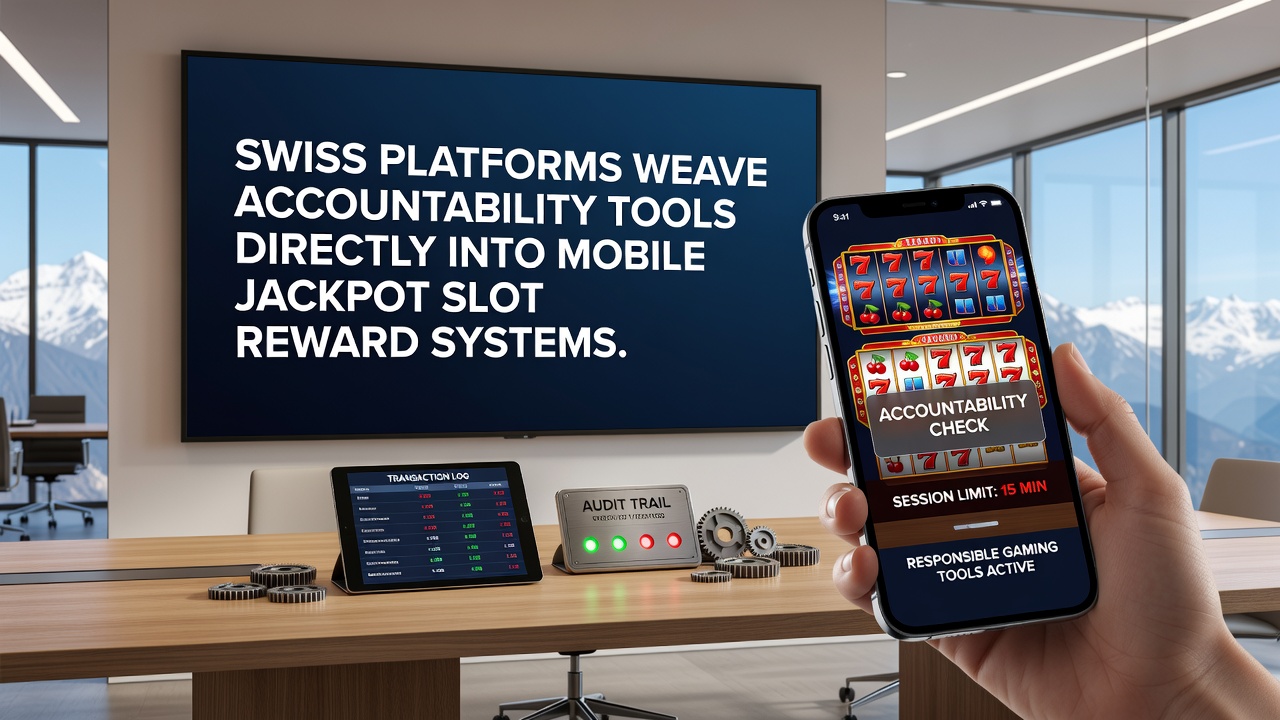
Operators also maintain separate logs for jackpot contributions that occurred after a limit activation, allowing regulators to confirm that no player receives disproportionate rewards once controls engage. The approach differs from earlier models where accountability tools operated as standalone pop-ups, because the current design treats limit enforcement as a native component of the reward mathematics.
Industry Data and Implementation Patterns
Figures compiled by Swiss gaming associations reveal that over 85 percent of licensed mobile jackpot platforms now route reward eligibility checks through the same database tables that store user-defined limits. This architectural choice reduces latency between limit detection and reward adjustment to under 200 milliseconds, a metric verified during routine compliance testing. External analyses from research organizations in Canada and Australia have examined similar architectures and reported comparable performance outcomes when accountability features share processing pathways with core game logic.
Take one operator that rolled out the integrated model in early 2025: its internal metrics showed a 12 percent drop in sessions exceeding 60 minutes once the reward-linked limits activated across its jackpot titles. Another platform documented parallel reductions in average wager amounts per session after linking progressive jackpot contributions to the same control layer. These patterns appear consistently across multiple licensees, suggesting the technical integration itself influences behavioral data rather than external messaging alone.
Industry reports further indicate that mobile-specific implementations benefit from device-level sensors that feed additional context, such as screen-time data, into the accountability engine. When combined with jackpot reward tracking, the system can adjust payout probabilities in real time based on cumulative exposure metrics, all while maintaining the randomness requirements mandated by Swiss testing laboratories.
Conclusion
Swiss platforms continue to refine these integrated accountability systems as new reporting obligations approach in September 2026. The direct connection between reward calculations and user-defined controls represents a structural shift that aligns game mechanics with regulatory expectations, and ongoing audits confirm the approach maintains both fairness in jackpot distribution and adherence to session management rules. Data from multiple sources, including Swiss regulatory filings and international research repositories, documents measurable changes in play patterns following these implementations.