Decoding Swiss Regulator Protocols for Linking Bonus Redemption to Session Monitoring in Portable Prize Games
Xander Flores · Oct 3, 2026
Decoding Swiss Regulator Protocols for Linking Bonus Redemption to Session Monitoring in Portable Prize Games
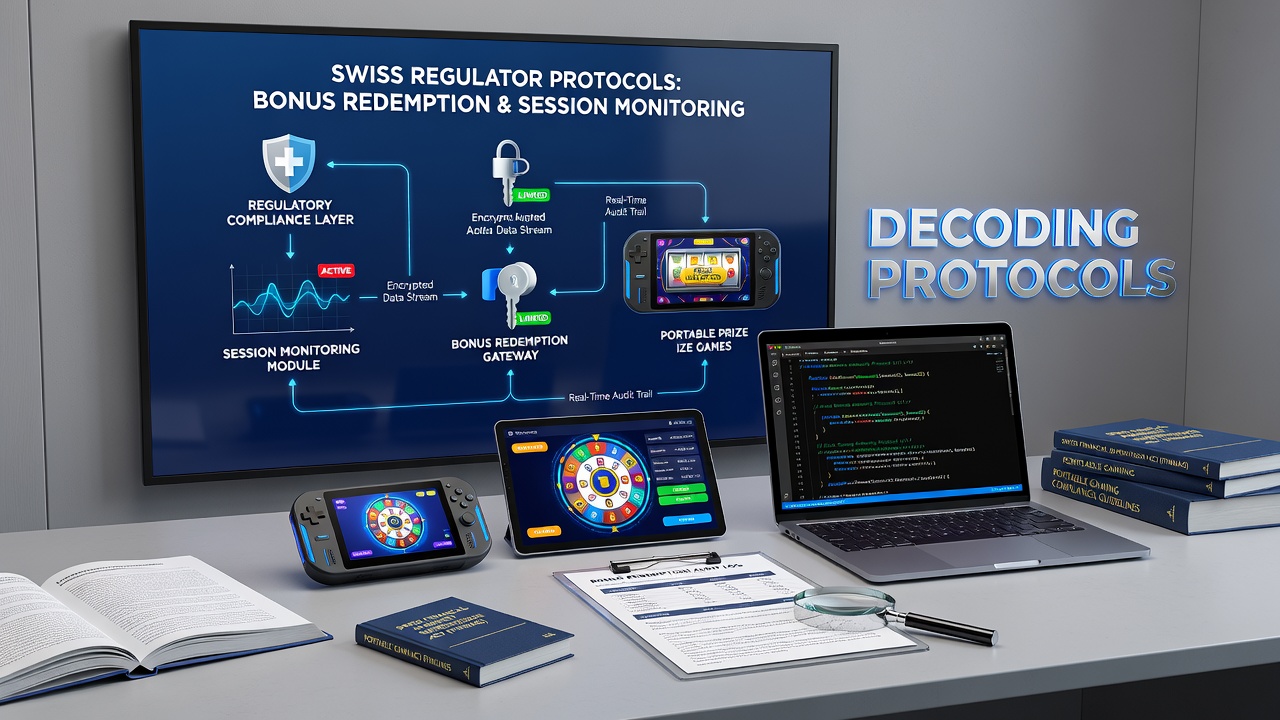
Swiss authorities maintain detailed protocols that connect bonus redemption processes directly to session monitoring systems in portable prize games, and these rules operate under the Money Games Act with oversight from the Federal Gaming Board. Operators must integrate real-time tracking tools that record player activity across mobile platforms while ensuring bonus offers trigger automatic verification steps tied to session length, wager patterns, and account status. Data from the Swiss Federal Office of Justice shows that licensed platforms began rolling out enhanced monitoring modules in 2024, and further refinements are scheduled for implementation in October 2026 to standardize cross-device reporting formats.
Core Elements of the Regulatory Framework
Protocols require that every bonus redemption event activates a session log that captures device type, start and end timestamps, and cumulative play duration, while portable prize games must transmit this information to centralized compliance servers within seconds of the trigger. Researchers at the University of Zurich documented how these linkages reduce instances of bonus stacking across multiple accounts, and the same studies highlight that mobile-specific identifiers such as device fingerprints now replace traditional IP checks in many cases. Operators receive technical specifications that outline exact data fields, encryption standards, and retention periods, yet the framework leaves room for platform-specific adaptations as long as minimum reporting thresholds remain intact.
Session Monitoring Requirements in Mobile Environments
Portable prize games operate under continuous session surveillance that records every spin, card draw, or prize reveal alongside bonus eligibility flags, and regulators mandate that systems flag any session exceeding predefined risk parameters for manual review. Evidence from industry reports indicates that Swiss-licensed platforms average between 45 and 90 seconds of latency when syncing mobile session data to backend monitors, which allows near-instantaneous bonus validation without interrupting gameplay. Those who manage compliance systems note that portable devices introduce additional variables such as network handoffs and battery-saving modes, so protocols include fallback mechanisms that store partial logs locally until connectivity resumes.
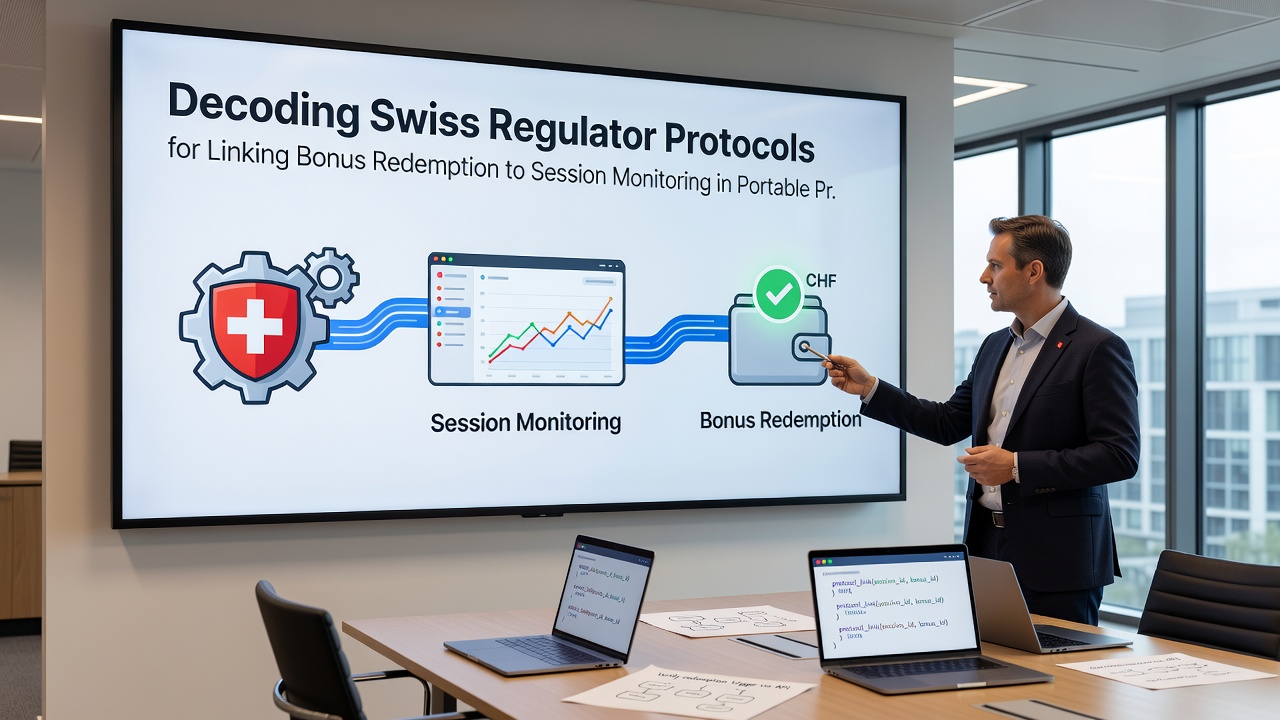
One documented case involved a platform that adjusted its mobile application to embed session tokens inside bonus claim requests, and this change aligned with updated guidelines issued ahead of the October 2026 deadline. The approach ensures that bonus redemption cannot proceed unless the accompanying session record meets all regulatory criteria, including minimum playtime and absence of rapid multi-account logins. Figures from the Swiss Gambling Supervisory Authority reveal that such integrated checks processed over 12 million mobile bonus redemptions in the first half of 2025, with automated flags triggering fewer than 0.8 percent of cases for further investigation.
Technical Linkages Between Bonuses and Monitoring Data
Bonus redemption protocols embed unique session identifiers into every offer code or in-app claim, which forces the monitoring system to cross-reference the current play session against historical patterns before releasing funds or credits. This linkage operates through encrypted APIs that transmit hashed player data alongside session metrics, and compliance teams verify that no bonus activates without a corresponding valid session log. Observers at gaming technology conferences have pointed out that Swiss rules differ from those in other jurisdictions by requiring real-time rather than batch reporting, which places stricter demands on mobile network stability and server infrastructure.
Compliance Tools and Reporting Standards
Platforms must maintain audit trails that link each bonus redemption event to its originating session record, and these trails feed into quarterly reports submitted to the Federal Gaming Board. Data indicates that operators who adopted unified monitoring dashboards reduced reconciliation errors by 37 percent compared with earlier fragmented systems. The October 2026 updates will introduce standardized JSON schemas for session-bonus pairings, allowing regulators to run automated consistency checks across all licensed mobile offerings. Industry associations such as the European Gaming and Betting Association have published guidance documents that help Swiss operators map their existing architectures to these forthcoming formats without disrupting ongoing player activity.
Challenges in Portable Prize Game Implementation
Mobile environments present unique hurdles because session continuity can break during app switches or network changes, yet protocols require that any interrupted session still generates a complete redemption record if bonus criteria were met beforehand. Technicians address this by deploying local caching that syncs upon reconnection, and testing conducted by independent labs confirmed that Swiss-compliant systems maintain 99.4 percent data integrity under simulated roaming conditions. Those managing large-scale deployments report that the added monitoring layers increase server load by roughly 12 to 15 percent, prompting many operators to migrate toward edge-computing solutions that handle initial validation closer to the device.
Conclusion
Swiss regulator protocols establish a direct technical bridge between bonus redemption and session monitoring in portable prize games through mandatory data fields, real-time reporting, and scheduled enhancements for October 2026. The framework continues to evolve as platforms refine their mobile architectures to meet these standards while preserving player access and system performance. Comprehensive documentation from the Federal Gaming Board and related technical specifications provide operators with clear pathways for ongoing compliance across all licensed portable offerings.